

THE SUSTAINABLE STYLE MYTH
 Share on Facebook
 Share on Twitter
 Subscribe
 Comments
THE SUSTAINABLE STYLE MYTH
Totes from China
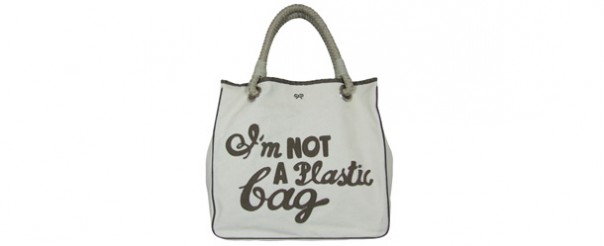
Most sustainable tote bags come from China, a nation with few stringent environmental protection policies. They are then flown thousands of miles to reach their destination, further delivering a massive punch to Mother Nature. Furthermore, the bags are usually made out of polypropylene, which does not biodegrade. What’s worse, these bags have suffered from China’s lack of product regulation, there have been findings that some of them have a load of lead in them.

High lead contents, an inability to biodegrade and high carbon footprint due to travel have put a few holes in these bags.
Why not support local merchants while saving loads of greenhouse gases saved by not importing yet another product from a faraway place. Many local shops have sell canvas bags as well as bags made from other biodegradable materials.
For example, Onya bags are made from recycled materials and sold at local stores: Onyabags.co.uk
Organic(?) Cotton
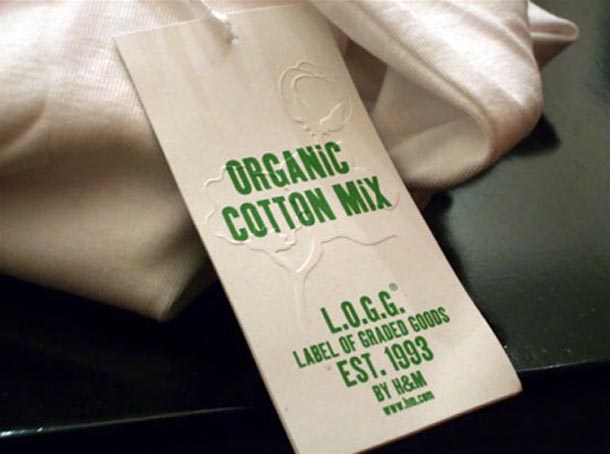
The word organic has become sexy to consumers. It sells products, and producers have taken full advantage of this.
As with most so-called green products, it can be hard to be certain if organic cotton is truly being grown in a more sustainable manner.
Many countries have regulations on what must be followed for products to be considered organic, but poorer countries tend to produce many organic products, and they are often less regulated. Also, just because it’s organic cotton doesn’t mean the dye they use isn’t toxic. What’s more, flying from far away means more carbon-heavy air miles.
In a recent scandal involving H&M, indeed around 30% of their "organic" clothing was found to not be organic. To combat such issues, keep pressure on retailers. When shopping, ask about the certification process of the cotton. Whenever possible, buy products made locally or nearby - first-world countries require higher standards.
Tricky tagging/terms and naughty actions behind the scenes

Recycled? The tag is. The rest of the shirt, which uses by far more product to create, is not at all recycled. Sneaky, sneaky Old Navy!
Some retailers mislead you into a sense of sustainable comfort by adding a recycling logo or other cheeky green phrase to some part of clothing. Guilty of this offense: Old Navy. Their tags say "100% recycled," but they do not specify what exactly is recycled. An unsuspecting consumer may assume the entire garment is a good eco choice, when in fact only the paper tag is recycled.
The best way to divide the good and bad is to look at the clothing’s sewn-in tag. It's pretty hard to lie directly right on the sewn-in tag, and apparel manufacturers can get in more trouble for such blatant lies.
Many retailers try to portray a green image, but in the back room dirty deeds go down. Like H&M and Wal-Mart, who destroyed unsold clothing instead of donating it to charity and running the risk of hobos wearing their designs.
Another naughty trick is the term "all natural." Unlike like word organic, "all natural" has absolutely no regulation. Retailers can use it as liberally as they want to green wash any product, without having to do anything proactive.
Don't Panic attempt to credit photographers and content owners wherever possible, however due to the sheer size and nature of the internet this is sometimes impractical or impossible. If you see any images on our site which you believe belong to yourself or another and we have incorrectly used it please let us know at panic@dontpaniconline.com and we will respond asap.
MORE FROM DON'T PANIC









Comments