

SWEDISH PIRATE PARTY
 Share on Facebook
 Share on Twitter
 Subscribe
 Comments
SWEDISH PIRATE PARTY
Where did the Pirate Party come from, could you tell us a bit about yourselves?
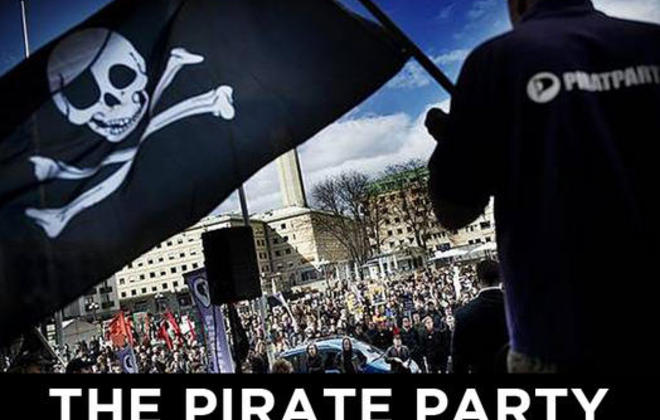
The Pirate Party was founded in 2006 as a reaction to the developing anti-democratic tendencies in Sweden. We had ministers (Thomas Bodström, Minister of Justice) that ordered raids on Internet companies even though that's illegal according to our constitution and corrupt judges that gave the warrants (same judges as in the pending 'Pirate Bay' trials). Some understood that there just was no way to really influence this development from an organisation purely dedicated to activism, and Rick Falkvinge (our chairman) decided to start The Pirate Party. A political Party dedicated to securing the integrity of Swedish citizens and reforming copyright law. We have since added the reforming of the patent system to the list of goals we wish to achive.
How confident were you about winning a seat in the European parliament?
We had expected at least one seat due to the current political climate in Sweden, as there has been some severely criticized laws passed during the last year relating to personal integrity and intellectual property. First, we had the FRA law that made it legal for the government to perform warrantless wiretapping of all internet and phone traffic passing our borders. This sparked demonstrations from all political youth organisations (both left and right-wing). Second, they realised the EU's Intellectual Property Rights Enforcement Directive (IPRED) in Swedish laws, effectively bypassing all normal juridical procedures needed to get information about the subscriber behind and IP-address and allowing private companies to act as police on the Internet. As expected, this created similar reactions, and is still a very current issue.
Finally, they are in the process of realising the EU's Data Retention Directive which will mandate logging of all internet adresses that communicate, all phonecalls made and the position of all mobile phones in Sweden (the logging is to be done by the service providers). This hasn't reached critical mass when it comes to media coverage yet, but we'll get there ;). So, based on this we pretty much expected good results in the elections.
What do you hope to do with your seat now that you have it?
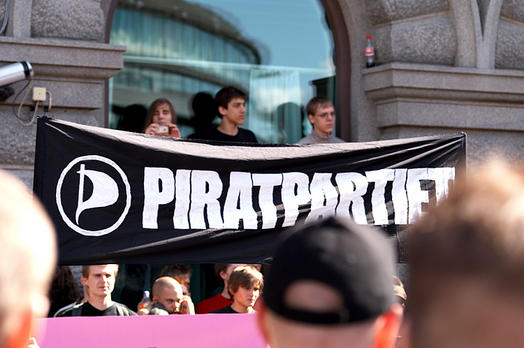
First we hope to be a force for personal integrity, both online and offline, in the European parliament. We also want to push for higher transparency and democracy, and we are opposed to the Lisbon Treaty that if accepted will make the EU more powerful and less democratic. Of course we also want to raise the question of shortened copyright (we're aiming for five years, opposed to the Life+70 years that's now in effect) and reforming it to make digital copying for non-commercial (personal) purposes legal. The patent questions are something that need to be handled at the EU level because we as a nation are restricted by trade agreements.
What has been the national reaction to your success?
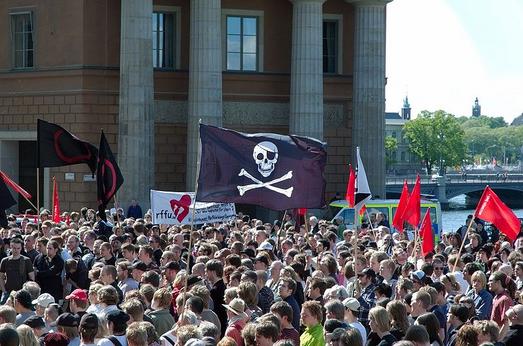
Mainly positive as we're seen as a fresh wind by most and also because we have made a lot of young people engaged in politics. During the election campaign we were been hit by some pretty harsh badmouthing campaigns by some editors and politicians, but as soon as the elections were over they have instantly changed their stance. Now even the Socialist Party is talking copyright reform as a damage prevention mechanism and the media has stopped calling us 'filesharers'. People are starting to understand that what we are after is not to just download things for free on the internet, but to guarantee all citizens their rights to privacy and personal integrity.
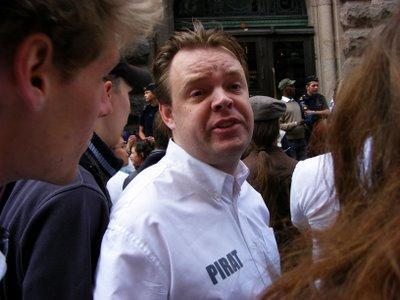
Rickard Falkvinge, Leader of the Pirate Party
How come Sweden has become the home of political action against copyright?
The reason that this fight has started in Sweden is probably that we have always been a country that takes a strong pride in our democracy and transparent governance. When big media companies started pushing laws and convictions with the help of lobbyists, a lot of people reacted. Not only young people, but people between 30-55 as well. My own father has always voted right-wing and conservative, and he's a farmer. This time, however, he voted for the Pirate Party. When I asked him why, he told me that when he read about the FRA and IPRED laws it gave him flashbacks to East Germany (DDR and Stasi) and that he did not want us to end up in a civil servant dictatorship like that. The government is supposed to be transparent, not the citizens.
Is copyright protection and Digital Rights Management not a good thing? Do they not ensure that artists and researchers can make enough money to keep doing what they do?
The current copyright legislation is actually counter-productive when it comes to culture, and is not used to safeguard the artist's rights. Copyright is today used for locking culture and knowledge away, not encouraging it. At the same time, artists ARE making more money today than a couple of years ago, but not on CD-sales. Plastic discs are defunct.
Who do you think are the guiltiest parties when it comes to abusing the protection that copyright provides? In short, who's going to be the first against the wall when you are in charge?
We are not going to "put someone against the wall", but if we get all of our points through the ones that are going to need to think extra hard on their business models are the record labels that still haven't started providing sufficient digital services (such has Spotify for example). Generally speaking, all companies that use intellectual property laws to lock knowledge and culture away from society (for too long) are going to have to rethink things. They'll have to make their businesses work without laws that impede personal integrity and basic human rights. Just look at the fall the HADOPI legislation took in France the other day (HADOPI). Their constitutional court decided that they could not allow a law that restricted any human's right to free communication.
Don't Panic attempt to credit photographers and content owners wherever possible, however due to the sheer size and nature of the internet this is sometimes impractical or impossible. If you see any images on our site which you believe belong to yourself or another and we have incorrectly used it please let us know at panic@dontpaniconline.com and we will respond asap.
MORE FROM DON'T PANIC














Comments